
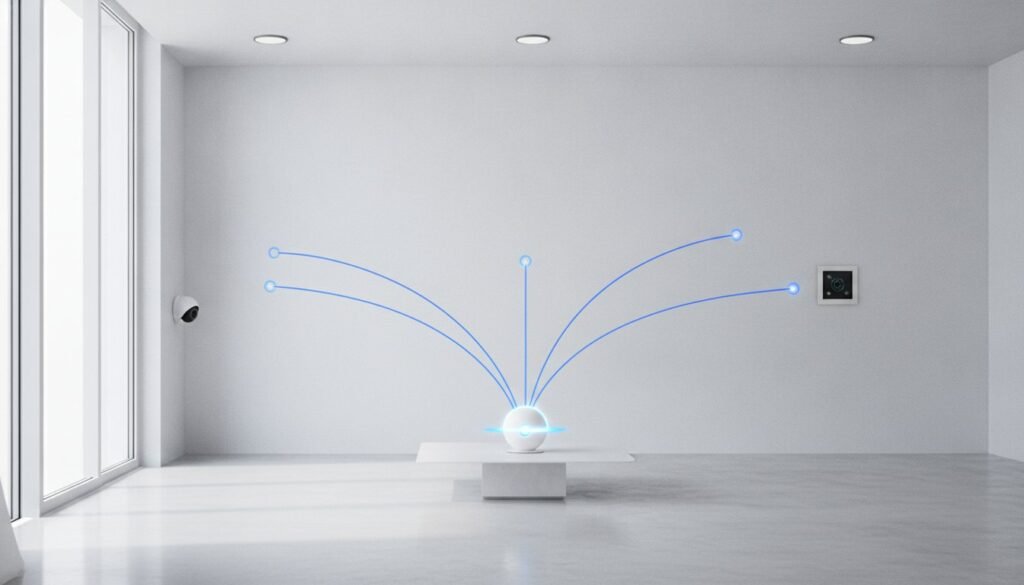
If you’re still juggling six different apps just to lock your front door and dim the lights, your home isn’t actually smart; it’s just complicated. We’ve all felt that tech fatigue from gadgets that refuse to talk to each other or stop working the moment your connection hiccups. You likely want a system that lowers your energy bills and secures your family without requiring a degree in IT. Finding the best smart home devices in 2026 is no longer about chasing the flashiest specs. It’s about choosing tools that work together as a single, unified system.
SuggestMeTech is here to help you cut through the marketing noise and discover which upgrades actually deliver value. We’ll show you how to build a seamless environment where automation happens without manual input. This guide previews the top-rated hardware for security, climate, and lighting while addressing your concerns about privacy and brand compatibility. From local data processing to the latest Matter updates, here is everything you need to know to create a truly connected life.
Key Takeaways
- Learn why selecting a unified ecosystem like Amazon Alexa or Apple HomeKit is the essential first step to preventing app fatigue.
- Discover how to select the best smart home devices for your budget by focusing on high-impact categories like smart plugs and integrated security.
- Master practical, room-by-room automations that handle repetitive tasks like locking doors and adjusting thermostats without your manual input.
- Future-proof your home by understanding how Matter and Thread protocols create a faster, more reliable connection between different brands.
- Follow our expert strategy to audit your home’s connectivity and solve real-world problems before investing in expensive hardware.
Choosing Your Foundation: Why Ecosystem Matters Most
Think of your smart home platform as the central nervous system of your house. Without a “brain” to coordinate everything, you’re just collecting isolated gadgets that don’t talk to each other. In 2026, home automation has shifted from reactive voice commands to proactive assistance. Your system doesn’t just wait for a command; it uses sensors and routine patterns to anticipate what you need before you ask. Selecting a primary ecosystem is the most effective way to kill “App Fatigue” and ensure your home remains a sanctuary rather than a technical chore.
The Pros and Cons of Major Smart Home Platforms
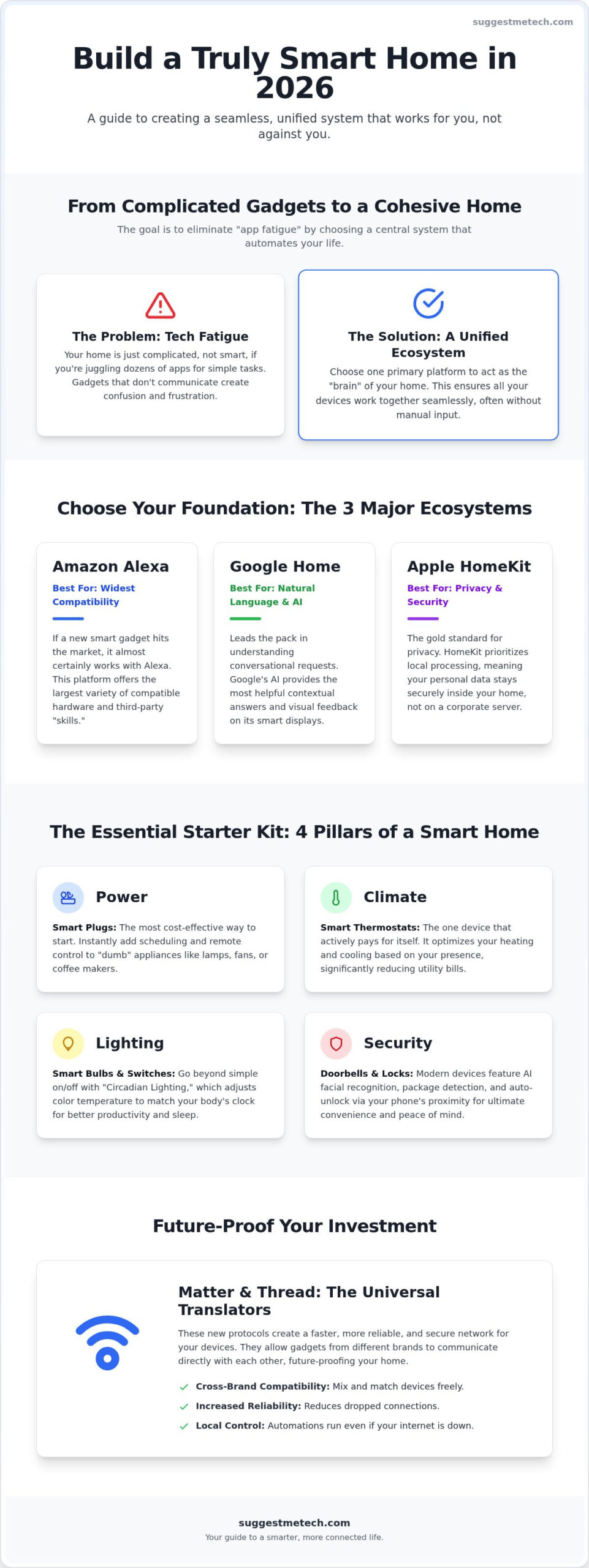
Choosing between the “Big Three” determines which of the best smart home devices you can easily integrate into your daily life. Each has a distinct personality and strength:
- Amazon Alexa: This platform remains the leader in sheer compatibility. If a new gadget hits the market, it almost certainly works with Alexa. It’s the best choice for those who want the widest variety of hardware options and smart home skills.
- Google Home: Google leads the pack in natural language processing and visual integration. It’s excellent at understanding conversational requests and provides the most helpful visual feedback through its smart displays.
- Apple HomeKit: If privacy is your main concern, HomeKit is the gold standard. It prioritizes local processing, meaning your data stays in your home instead of traveling to a corporate server for every request.
Ecosystem Lock-in vs. Flexibility
Most users start their journey with a single smart bulb or a pack of smart plugs. While this is a budget-friendly entry point, it often leads to brand lock-in. To maintain a flexible home, look for devices that support “Local Control.” This allows your devices to communicate directly with your hub, ensuring your automations still run even if your internet connection drops.
Treating your home network as a serious piece of infrastructure is vital. Just as you would research the best laptops to ensure a reliable home office, you must audit your smart home foundation for long-term stability. A well-chosen ecosystem acts as a future-proof investment that grows with your needs. By sticking to one primary platform, you ensure that every new purchase adds value rather than another app to your smartphone’s home screen. This strategy helps you find the best smart home devices that actually work together without constant troubleshooting.
The Essential Starter Kit: Must-Have Categories for 2026
Building a smart home doesn’t require a massive budget or twenty different gadgets. Most successful setups rely on four pillars: Lighting, Climate, Security, and Power. If you’re looking for the best smart home devices to start with, smart plugs are the most cost-effective choice. They allow you to add scheduling and remote control to “dumb” appliances like old lamps or coffee makers. Finding the best smart home devices for your specific layout means focusing on these high-impact basics first, or browsing a curated selection at Techtronics Direct to find innovative accessories that fit your needs.
While smart plugs add convenience, a smart thermostat is the only device in your kit that actively pays for itself. By optimizing your heating and cooling based on your actual presence, these devices can significantly reduce your monthly utility bills. In 2026, the trend has shifted toward “Invisible Tech.” Manufacturers are designing hardware that blends into your home decor, moving away from the bulky, plastic look of early generation gadgets. This aesthetic shift ensures your tech serves you without dominating your living space.
Smart Lighting and Atmosphere
Smart bulbs are easy to install, but smart switches offer better long-term value for entire rooms. One of the biggest advancements in 2026 is “Circadian Lighting,” which automatically adjusts the color temperature of your home to match your body’s natural clock. This helps with productivity during the day and better sleep at night. For a truly immersive experience, you can sync your lights with your media center. Pairing dynamic lighting with high-quality headphones creates a private cinema experience right in your living room.
Home Security and Intelligent Monitoring
Modern video doorbells now feature advanced package detection and AI facial recognition, so you’ll know exactly who is at the door before you even look at your phone. Smart locks have also become more reliable. The “Auto-Unlock” feature, which uses your phone’s proximity to open the door as you approach, is a convenience you won’t want to live without. Don’t overlook water leak sensors. These unsexy devices sit under sinks and near water heaters, saving you thousands in potential insurance claims by alerting you to a drip before it becomes a flood.
As you add more sensors, following cybersecurity best practices is essential to keep your data private. If you aren’t sure where to start with your first purchase, our expert reviews can help you compare specific models. By focusing on these essentials, you’ll build a foundation that is both functional and secure.
Room-by-Room: Practical Automations That Actually Save Time
Practical automation is the bridge between owning gadgets and living in a truly connected home. The best smart home devices should work in the background to eliminate small, daily frictions. For example, a “Good Morning” routine can sync your bedroom lights to brighten gradually, trigger your coffee maker, and read your news briefings as you wake up. This isn’t just a gimmick; it’s a way to reclaim ten minutes of your morning every single day.
Similarly, a “Leaving Home” automation provides immediate peace of mind. With one command or a geofence trigger, your system can lock every door, arm your security cameras, and lower the heat to save energy. In the kitchen, smart ovens and refrigerators have evolved beyond simple screens. They now assist in meal prep by suggesting recipes based on expiring ingredients or preheating to the exact temperature required for a specific dish. In the bedroom, environmental sensors track air quality and optimize the temperature for deep sleep, ensuring you wake up refreshed without ever touching a thermostat.
The Living Room: Entertainment and Comfort
Your living room should be a place of relaxation, not a struggle with multiple remotes. You can automate your home theater for a “Movie Night” with a single voice command that dims the lights, closes the smart blinds to reduce glare, and powers on your media system. These smart blinds also serve a practical purpose by closing during the hottest part of the day to save on cooling costs. If you use your living room as a multipurpose space, a centralized hub helps manage everything from ambient lighting to starting a blog in your home office nook. This creates a seamless transition between work and leisure without needing to adjust every device manually.
The Smart Bathroom and Laundry
The bathroom is becoming a hub for personal wellness. Smart scales and mirrors now track health metrics over time, giving you a clearer picture of your fitness trends without manual logging. In the laundry room, automated notifications prevent the common problem of clothes sitting in the washer for hours. You’ll get a ping on your phone or smart speaker the moment a cycle finishes. This efficiency is driven by the 2026 trend of large appliances adopting the Matter smart home standard. This allows your washer, dryer, and dishwasher to communicate with the rest of your home regardless of the manufacturer. Integrating these routines ensures you’re getting the most out of the best smart home devices on the market.
Matter and Thread: Future-Proofing Your Investment
In 2026, the “Hub War” that once forced users to choose between Amazon, Google, or Apple is finally over. Matter has emerged as the universal language for smart devices, allowing hardware from different manufacturers to communicate without proprietary barriers. Buying a device that doesn’t support Matter in 2026 is a mistake. It’s essentially investing in obsolete technology that will eventually lead back to the app fatigue we want to avoid. If you’re hunting for the best smart home devices, ensuring they speak this universal language is your first line of defense against a fragmented home.
While Matter is the language, Thread is the highway it travels on. Thread is a low-power, low-latency mesh network protocol designed specifically for the home. Unlike traditional Wi-Fi, which can become congested with too many gadgets, Thread becomes stronger as you add more nodes. It’s the primary reason why modern smart homes feel more responsive and reliable than those built just a few years ago. By prioritizing these standards, you’re not just buying a gadget; you’re building a resilient infrastructure.
Matter vs. Zigbee vs. Z-Wave
For years, Zigbee and Z-Wave were the go-to standards for battery-powered sensors because they used less energy than Wi-Fi. However, Thread is rapidly replacing them. Thread offers similar power efficiency but with a crucial advantage: it’s IP-based. This means Thread devices can talk directly to the internet and each other without needing a dedicated, brand-specific bridge. Thread creates a self-healing mesh network that ensures your devices stay connected even if one node fails. This reliability makes it the superior choice for essential sensors and security hardware.
How to Identify Future-Proof Gear
Shopping for the best smart home devices is easier now if you know what to look for on the box. Always check for the Matter logo, which looks like a stylized triangular cluster of dots. This symbol guarantees the device will work with your existing ecosystem. If you have older “legacy” gear, you don’t necessarily need to throw it away. Many manufacturers offer Matter Bridges that bring your older Zigbee or Z-Wave devices into your new, unified system.
Your home network also needs to keep up. Check your router to see if it supports Wi-Fi 6E or Wi-Fi 7. These newer standards provide the dedicated bandwidth necessary for high-data devices like 4K security cameras and smart displays. If you want to see our curated list of compatible hardware, check out our latest tech guides to ensure your next purchase is future-proof and ready for the 2026 standard.
Building Your Smart Home Strategy with SuggestMeTech
Keeping your home running smoothly requires minimal but consistent effort. Firmware updates are your first line of defense against security vulnerabilities; they also frequently unlock new features that improve device performance. If a device stops responding, follow “Troubleshooting 101” and power cycle the hub before you try anything more complex. Sometimes the issue isn’t the hardware at all but the device you’re using to control it. You should clear their iPhone cache if your smart home app starts lagging or feels sluggish. This simple step can free up resources and restore the snappy performance you expect from a premium setup.
Avoiding “Smart Crap” and Niche Gimmicks
Be wary of “smart crap” and niche gimmicks that don’t offer long-term value. In 2026, many devices still try to trap users with monthly subscriptions for basic features like local storage or simple automations. If a product requires a separate fee just to function, it probably isn’t one of the best smart home devices for a savvy buyer. We encourage you to participate in our community and ask for long-term reliability reports. Real-world feedback from other users often reveals flaws that professional reviews might miss during a short testing period. Ready to upgrade your life? Check our curated reviews for the best individual smart home picks of 2026.
Ready to Build Your Future-Proof Home?
Living in a connected home doesn’t have to be a source of stress. By prioritizing the Matter and Thread standards, you ensure that your investment remains relevant for years to come. The best smart home devices are those that solve your specific daily frustrations without adding to your tech fatigue. Whether you’re starting with a single smart plug or automating your entire living room, the goal is a seamless experience that works for you, not the other way around.
At SuggestMeTech, we specialize in providing practical, jargon-free advice and expert-tested comparisons to help you navigate these complex choices. Our guides focus on 2026 standards like Matter and Thread so you can buy with confidence and avoid expensive mistakes. Explore our latest tech guides and reviews at SuggestMeTech to find the perfect hardware for your setup. Start small, stay curious, and enjoy the convenience of a home that truly understands your needs.
Frequently Asked Questions
Do I need a hub for a smart home in 2026?
You still need a central controller, but it’s likely already built into your existing hardware. In 2026, many modern Wi-Fi routers and smart speakers function as Matter controllers and Thread border routers. You don’t necessarily need a dedicated, standalone box like in previous years. However, having a central “brain” remains necessary to run complex automations locally and ensure your gadgets communicate efficiently across different wireless protocols.
What is the best smart home ecosystem for privacy?
Apple HomeKit remains the superior choice for users prioritizing privacy. It emphasizes local processing, meaning your voice commands and sensor data aren’t constantly uploaded to the cloud for analysis. While other platforms have improved their data handling, HomeKit’s architecture is designed to keep your home’s activity private by default. This makes it a top contender when selecting the best smart home devices for a secure, private living environment.
Will smart home devices increase my electricity bill?
Most smart devices actually decrease your total energy costs, even though they draw a tiny amount of “vampire” power. A smart thermostat or automated lighting system saves far more electricity by turning off appliances when you aren’t home than they consume while on standby. For example, optimizing your HVAC schedule can reduce energy usage significantly, easily offsetting the few watts needed to keep your sensors and hubs connected to the network.
Can I use Alexa and Google Home together?
You can use multiple assistants simultaneously, especially with the widespread adoption of the Matter standard. You might use an Alexa speaker in the kitchen for timers and a Google Nest Hub in the living room for visual news. Since Matter allows the best smart home devices to be controlled by multiple “administrators” at once, your light bulbs and locks will respond to commands from either ecosystem without conflict or lag.
Do smart home devices work when the internet is down?
Many devices will still function locally if they support protocols like Thread or Matter over Wi-Fi. Basic automations, such as motion-triggered lights or scheduled thermostat changes, often continue to run because the logic is stored on your local hub rather than a distant server. However, you’ll lose remote access through your phone and voice assistant features that require cloud processing until your internet connection is restored to the home.
What is the most useful smart home device for beginners?
A smart plug is the most practical entry point for any beginner. It’s an affordable way to add scheduling and remote control to non-smart appliances like floor lamps, fans, or even a traditional coffee maker. This allows you to experience the benefits of automation without replacing expensive hardware. It’s a low-risk investment that demonstrates how simple it is to start building a more convenient and connected household today.
How do I keep my smart home devices secure from hackers?
Security starts with strong, unique passwords for every account and enabling two-factor authentication (2FA). You should also place your smart gadgets on a separate “guest” Wi-Fi network to isolate them from your primary computers and phones. Regularly checking for firmware updates is another essential step. These updates often include critical security patches that protect your hardware from newly discovered vulnerabilities and keep your personal data safe from unauthorized access.
Are smart home devices compatible with older houses?
Smart technology is highly adaptable to older homes, though you might face some wiring challenges. For example, many smart switches require a “neutral wire” which isn’t always present in houses built before the 1980s. In these cases, you can use smart bulbs or “no-neutral” switches instead. Battery-powered sensors and smart locks are also excellent options since they don’t require any permanent changes to your home’s electrical or structural foundation.